
Building a Backup Supplier Network Before You Need It
Supply chain disruptions are inevitable. The merchants who survive them are the ones who built redundancy before the crisis hit.
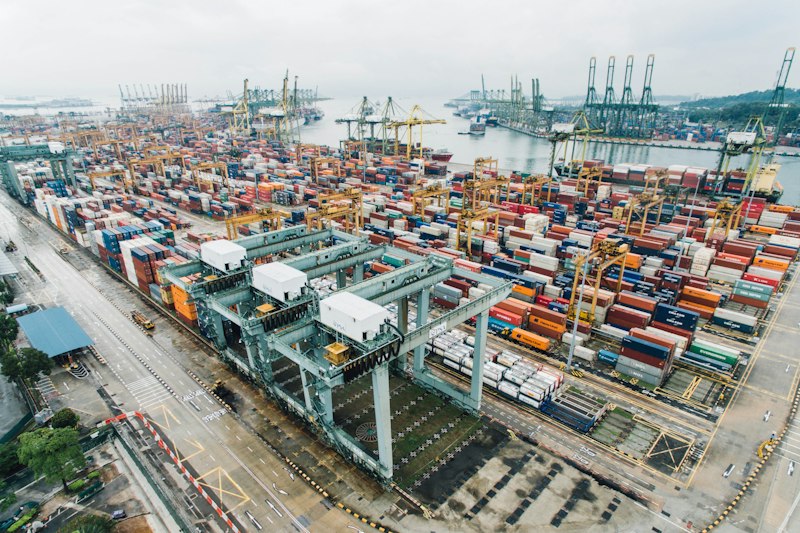
In March 2020, global supply chains broke in ways that most retailers had never prepared for. Products that had flowed reliably for years suddenly couldn't be sourced. Lead times extended from weeks to months. Prices spiked. Merchants who had diverse supplier networks and established backup relationships weathered the disruption far better than those who had optimized solely for cost and convenience.
Supply chain disruptions don't only happen at a global scale. A single supplier can fail for many reasons: financial difficulties, a factory fire, a key staff departure, quality control failures, or simply a business decision to exit your market. Merchants who have no backup options when a primary supplier fails face the worst possible combination: urgent need, no alternatives, and zero negotiating leverage with whoever can help.
Why Supplier Concentration Is a Hidden Risk
Most retailers, when they find a reliable supplier, naturally concentrate their purchasing with them. Better pricing through volume, simpler relationship management, faster service for valued customers — there are genuine advantages to concentrating with fewer suppliers. The problem is that this creates fragility.
A business that sources 80% of a critical product category from a single supplier has essentially bet the category on that supplier's operational reliability. If something goes wrong with that supplier — even temporarily — the merchant has no fallback. They're either out of stock or scrambling to find alternatives at unfavorable terms with little time and significant urgency.
The cost of concentration is invisible during normal operations — you never pay for the supplier's disruption because it doesn't happen. It becomes catastrophically visible when disruption occurs, which it eventually will. The merchants who built backup supplier networks typically can't point to a single dramatic event that justified the investment. They can point to several near-misses and one or two smaller disruptions that they navigated smoothly because they had options.
How to Identify Your Critical Supply Risks
Not all supplier relationships carry the same risk. A supplier disruption on a slow-moving, easily substituted product is a nuisance. A disruption on a core product that represents 30% of your revenue and has no close alternative is a crisis. Before building your backup network, understand which supplier relationships carry the most risk.
Map your top 20 suppliers against three dimensions: what share of your revenue would be affected by their disruption? How hard would it be to find an alternative in a short time? And how stable does the supplier appear to be (financial health, operational track record, geographic risk)?
The intersections of high revenue dependency, limited alternatives, and supplier instability are your critical risks. These are the relationships where backup suppliers are non-negotiable. For lower-risk supplier relationships, the backup network can be less developed — identified alternatives rather than fully qualified backup suppliers.
How to Build Your Backup Supplier Network
A practical approach to building supplier redundancy without disrupting current relationships:
- Identify your top 10 products by revenue where you have single-supplier dependency
- Research alternative suppliers for each product — trade shows, industry directories, competitor sourcing (sometimes visible in public records), supplier referrals
- Make initial contact with potential backup suppliers: request samples, ask about capacity and lead times
- Place a small trial order with at least one backup supplier for each critical product (even 5% of normal volume maintains the relationship and validates quality)
- Document the backup supplier's pricing, quality, lead times, and minimum order quantities in your supplier database
- Review your backup network quarterly — suppliers change, and a backup that was viable last year may not be viable today
"Merchants with qualified backup suppliers for their top 10 SKUs navigate supply disruptions in an average of 3–5 days. Those without backups take 3–6 weeks to find and qualify alternatives — during which they're out of stock or relying on expensive emergency sourcing."
Maintaining Relationships With Backup Suppliers
A backup supplier you contacted two years ago and never bought from is not a reliable backup. Supplier relationships require ongoing interaction to remain viable — and a supplier who hasn't heard from you in 18 months may have changed their terms, their product range, their capacity, or their pricing in ways that make them no longer a suitable backup.
The minimum viable maintenance strategy for backup suppliers is an annual order and an annual conversation. An annual order — even a small one — maintains your customer relationship status, gives you current product samples to verify quality, and signals to the supplier that you're a real potential customer. An annual conversation about their capacity, pricing, and any changes to their business keeps your intelligence current.
For your most critical backup suppliers, more frequent interaction is warranted. A quarterly check-in, occasional inclusion in RFQ processes even when you're not planning to switch, and visits to their facilities (or virtual facility reviews) keep the relationship active enough to activate quickly when you need it.
Geographic Diversification of Suppliers
Geographic concentration in your supplier base creates a category of risk that's easily overlooked in normal times. If most of your suppliers are in the same country or region, a regional disruption — natural disaster, regulatory change, trade dispute, conflict — can affect multiple suppliers simultaneously. This happened dramatically during COVID-19 when manufacturing concentration in specific regions left many retailers simultaneously without their primary, secondary, and tertiary suppliers.
Geographic diversification doesn't mean sourcing everything from distant markets with longer lead times and more complex logistics. It means ensuring that for your critical products, your supplier options span at least two geographically distinct regions. A primary supplier in one country and a qualified backup in another gives you resilience against region-specific disruptions.
This is particularly relevant for businesses that source significantly from a single country. China's role in global manufacturing is well-established and often very cost-competitive. But concentration there creates concentration risk. Many merchants have spent the post-2020 period actively developing suppliers in Vietnam, Bangladesh, Turkey, Mexico, and other geographies as a deliberate risk management strategy.
Communicating With Your Primary Suppliers About Your Backup Strategy
One question merchants often grapple with: should I tell my primary suppliers that I'm developing backup suppliers? There's no single right answer, but transparency tends to produce better long-term outcomes than secrecy.
A primary supplier who knows you're periodically buying from alternatives has appropriate incentive to maintain their service quality and competitive pricing. One who believes they're your sole source may, over time, become complacent about either. Framing it professionally — 'as a risk management measure, we maintain relationships with backup suppliers for our critical products' — is honest and conveys that you're a sophisticated customer who manages supply risk professionally.
Most primary suppliers prefer this honesty to discovering later that you've secretly been developing alternatives. It also opens the door to honest conversations about their capacity, their business stability, and any risks you should be aware of — conversations that are harder to have if you're maintaining the fiction of exclusive loyalty.
Frequently Asked Questions
Ready to Put This Into Practice?
Merchant Stack gives you the tools to automate, optimize, and grow your retail operation — starting today.
Request Early Access